Henrik Fischer · 14 November 2026
The Cultural Legacy of Keel Fairing Traditions Among Pacific Island Canoe Builders
Pacific Island canoe builders have maintained keel fairing practices that combine technical precision with community rituals passed down through generations across archipelagos from Hawaii to Aotearoa, and from Fiji to the Marquesas, while these methods ensure hull efficiency during long ocean passages and reflect social structures where knowledge transfer occurs through apprenticeships rather than formal schooling.
Historical Roots of Keel Fairing in Pacific Voyaging
Archaeological evidence from sites in the Society Islands shows that keel fairing dates back at least 1,000 years, when builders shaped wooden keels from local hardwoods such as koa or tamanu to reduce drag, and oral histories recorded by researchers at institutions like the University of Hawaii describe how early settlers used these canoes to reach distant islands. Data from maritime anthropology studies indicate that fairing techniques varied by region, with Micronesian builders often employing coral abrasives and Polynesian groups favoring sharkskin sanding tools, yet both approaches achieved similar hydrodynamic results that supported migrations across teh Pacific.
Materials and Methods Across Island Groups
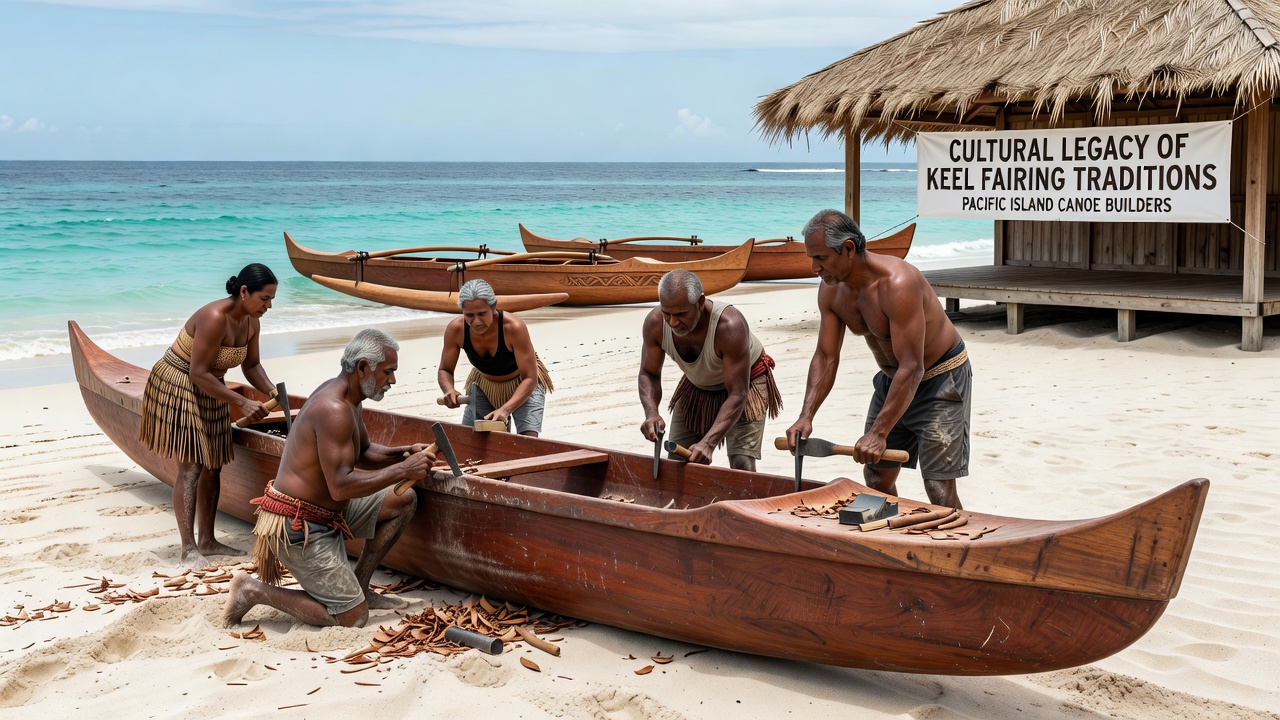
Builders in Samoa traditionally select breadfruit or teak for keels because these woods resist saltwater corrosion, then apply layers of coconut husk fibers mixed with natural resins to create smooth surfaces, whereas in the Cook Islands practitioners carve intricate patterns into the keel edges that serve both decorative and functional purposes by channeling water flow. Observers note that the process begins with rough shaping using adzes followed by progressive smoothing stages that can take weeks, and communities often gather during these phases to share stories that reinforce cultural identity tied to the sea.
Community Roles and Knowledge Transmission
Keel fairing remains a collective endeavor in many Pacific societies where master carvers oversee apprentices who learn to read wood grain and water patterns through direct observation rather than written manuals, and this system ensures continuity as younger generations participate in ceremonies that mark the completion of a fair keel. Research from the Australian National University documents how gender roles sometimes influence participation, with men typically handling the physical carving in certain islands while women contribute through the preparation of ritual offerings that bless the tools and materials before work starts.
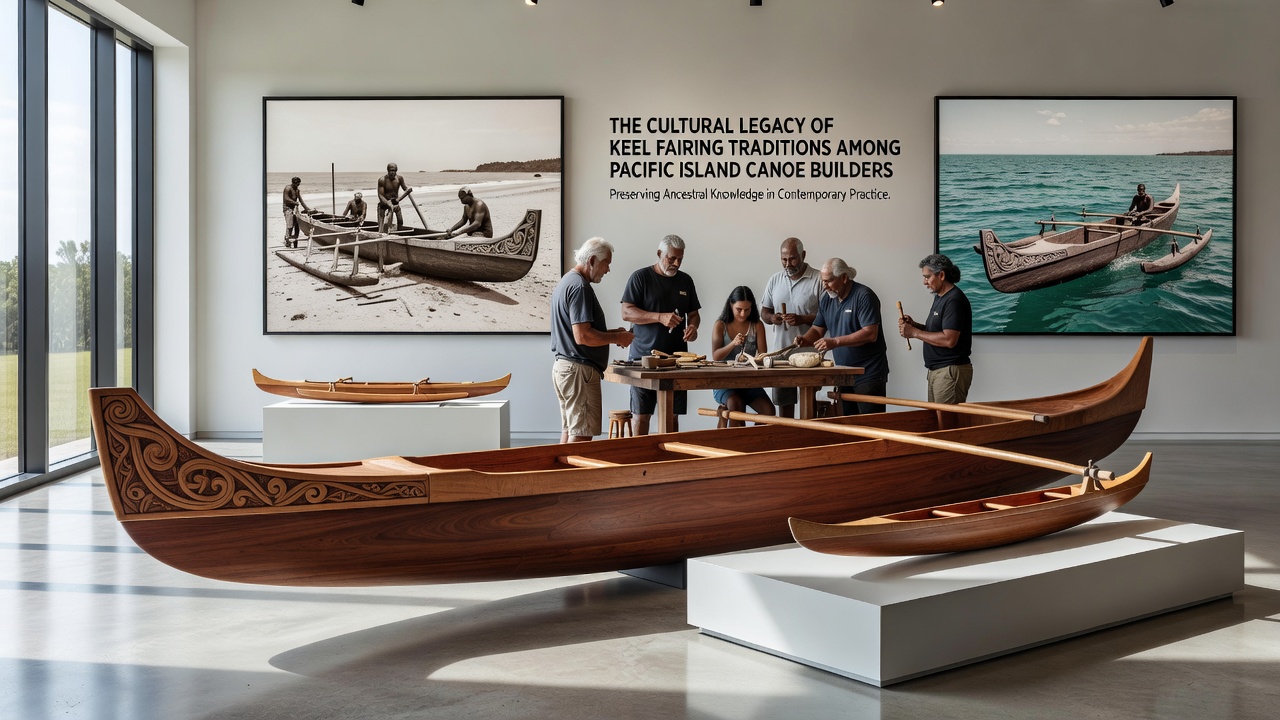
Turns out that these traditions adapt when modern tools enter the workshop, yet core principles such as maintaining symmetry and testing the keel in shallow water before full assembly persist because they connect contemporary builders to ancestral practices that enabled successful voyages.
Contemporary Preservation Efforts and Events
Organizations focused on cultural heritage have launched programs to document keel fairing methods through video recordings and workshops held in island communities, and these initiatives gain visibility during festivals that draw participants from multiple Pacific nations. In November 2026, voyaging societies plan gatherings in Hawaii and New Zealand where builders demonstrate fairing techniques alongside navigation lessons, allowing observers to see how traditional knowledge supports current efforts to revive long-distance sailing without engines. Figures from cultural ministries in Fiji reveal that such events attract hundreds of attendees annually and help sustain interest among youth who might otherwise pursue other careers.
Connections to Navigation and Identity
Keel fairing contributes directly to the performance of double-hulled canoes used in wayfinding expeditions, since even minor surface irregularities can alter speed and stability during trade wind passages, and elders emphasize this link when teaching apprentices that each smoothed curve honors the ocean's role in island histories. Studies conducted by teams from the University of Auckland show measurable improvements in vessel efficiency when traditional fairing standards are followed compared to machine-finished alternatives, underscoring why communities continue investing time in hand techniques despite available technology.
Challenges and Adaptations in the Modern Era
Climate change and resource scarcity now affect access to suitable timber for keels, prompting some builders to experiment with sustainable alternatives while preserving fairing sequences that have proven effective over centuries, and international collaborations with maritime research groups provide data on wood alternatives without altering the cultural steps involved in shaping and blessing each component. Those who've studied these adaptations report that the legacy endures because it ties practical boatbuilding to broader expressions of Pacific identity that include dance, chant, and shared meals during construction periods.
Conclusion
Keel fairing traditions among Pacific Island canoe builders represent a living heritage that merges engineering skill with cultural continuity, supported by documented practices across island groups and ongoing community events that keep these methods relevant into the coming years. As builders prepare for activities scheduled around November 2026, the focus remains on transmitting accurate techniques to new generations who will carry forward the knowledge that enabled historic migrations and continues to shape contemporary voyaging.